

Barista Training Course in Qatar: Skills, Certification, and Career Prospects
The café and specialty coffee industry in Qatar has grown significantly over the past decade. From international coffee chains to independent specialty cafés, the demand for trained baristas continues to rise. As a result, employers increasingly look for candidates who possess practical skills, professional training, and recognized certifications.
If you are planning to start a career in hospitality, improve your current skills, or even open your own café, enrolling in a Barista Training Course in Qatar can be one of the best investments in your future.
This guide explains everything you need to know about becoming a professional barista in Qatar, including the skills you’ll learn, available certifications, and career opportunities.

Why Choose a Barista Career in Qatar?
Qatar’s hospitality sector continues to expand through hotels, restaurants, cafés, airports, shopping malls, and tourism developments. Skilled baristas are needed not only in coffee shops but also in luxury hotels, restaurants, corporate cafés, and hospitality businesses.
A professional barista today is expected to do much more than prepare coffee. They create memorable customer experiences while maintaining high standards of beverage quality and service.
Benefits of becoming a professional barista include:
What Will You Learn in a Professional Barista Training Course?
A quality training program combines classroom learning with extensive hands-on practical sessions.
Students typically learn:
Coffee Fundamentals
Understanding:
This knowledge helps baristas prepare consistent, high-quality beverages.
Espresso Preparation
One of the most important skills every barista must master is espresso extraction.
Training includes:
Benefits of becoming a professional barista include:
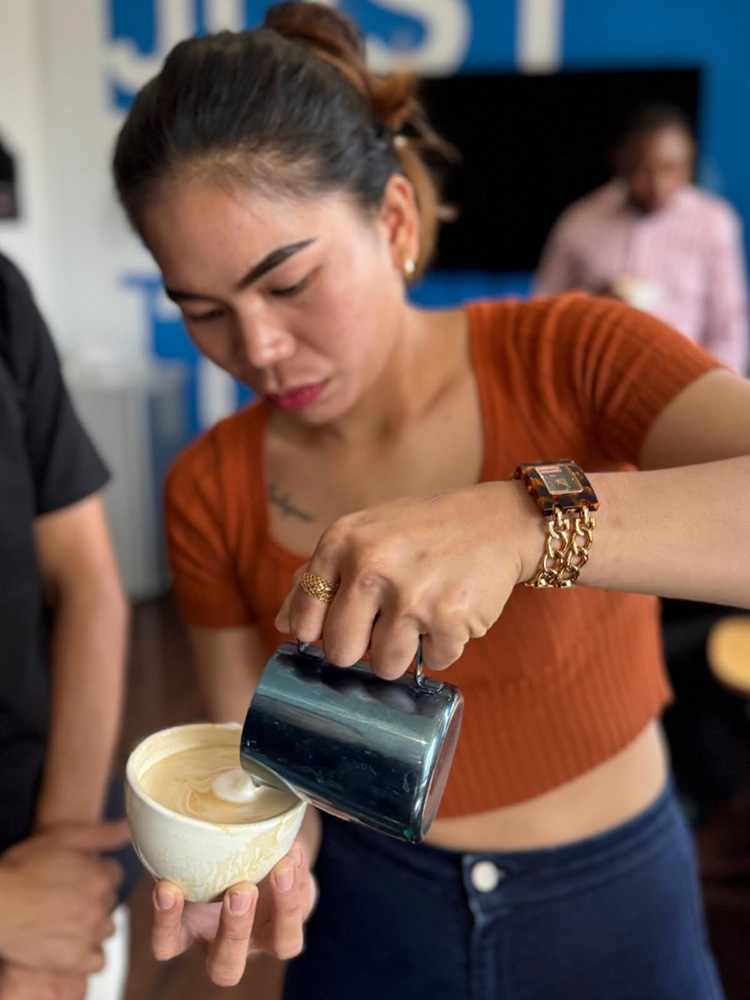
Milk Steaming and Latte Art
Milk texturing is essential for creating beverages such as:
Students also practice beginner-friendly latte art techniques to improve presentation.
Beverage Preparation
Modern cafés offer much more than coffee.
Professional training often covers:
Coffee Equipment Operation
Students gain experience using professional equipment, including:
Understanding equipment maintenance improves consistency and extends machine life.
Customer Service Skills
Excellent coffee alone is not enough.
Successful cafés rely on outstanding customer service.
Professional training often includes:
Some training providers include a dedicated customer service module with an additional certificate.
The Importance of Practical Training
The best barista courses focus heavily on real-world practice.
Rather than only learning theory, students prepare dozens of beverages using commercial coffee equipment in a professional café-style environment.
Hands-on learning improves:
Employers value practical experience because it reduces the training required after hiring.
Barista Certifications in Qatar
Certification demonstrates that you have successfully completed professional training.
Depending on the institution, students may receive certifications such as:
Career Opportunities After Completing a Barista Course
A professional barista qualification can open doors to many hospitality careers.
Common career paths include:
As your experience grows, opportunities for leadership and business ownership also increase.
Who Can Join a Barista Training Course?
Barista training is suitable for:
Many programs are designed specifically for beginners and provide step-by-step practical instruction.
Why Practical Skills Matter More Than Theory
Hospitality employers typically hire candidates who can demonstrate practical ability.
During interviews or trial shifts, applicants may be asked to:
A hands-on training course helps build the confidence needed to perform these tasks successfully from day one.
Can You Start Your Own Coffee Business?
Absolutely.
Many graduates use their training to launch:
Learning coffee preparation, beverage presentation, customer service, and café operations provides a solid foundation for entrepreneurship.
Why Choose Berkeley’s Barista & Mocktails Training Program?
Berkeley’s Barista & Mocktails Training Program combines practical learning with industry-focused instruction in a professional training environment.
Program highlights include:
The program is designed for aspiring baristas, hospitality professionals, entrepreneurs, and anyone looking to build a rewarding career in Qatar’s growing café industry.
Can You Start Your Own Coffee Business?
Absolutely.
Many graduates use their training to launch:
Learning coffee preparation, beverage presentation, customer service, and café operations provides a solid foundation for entrepreneurship.
Frequently Asked Questions
Barista
Café Staff
Beverage Specialist
Hospitality Professional
Coffee Shop Supervisor
Customer Service Executive
